

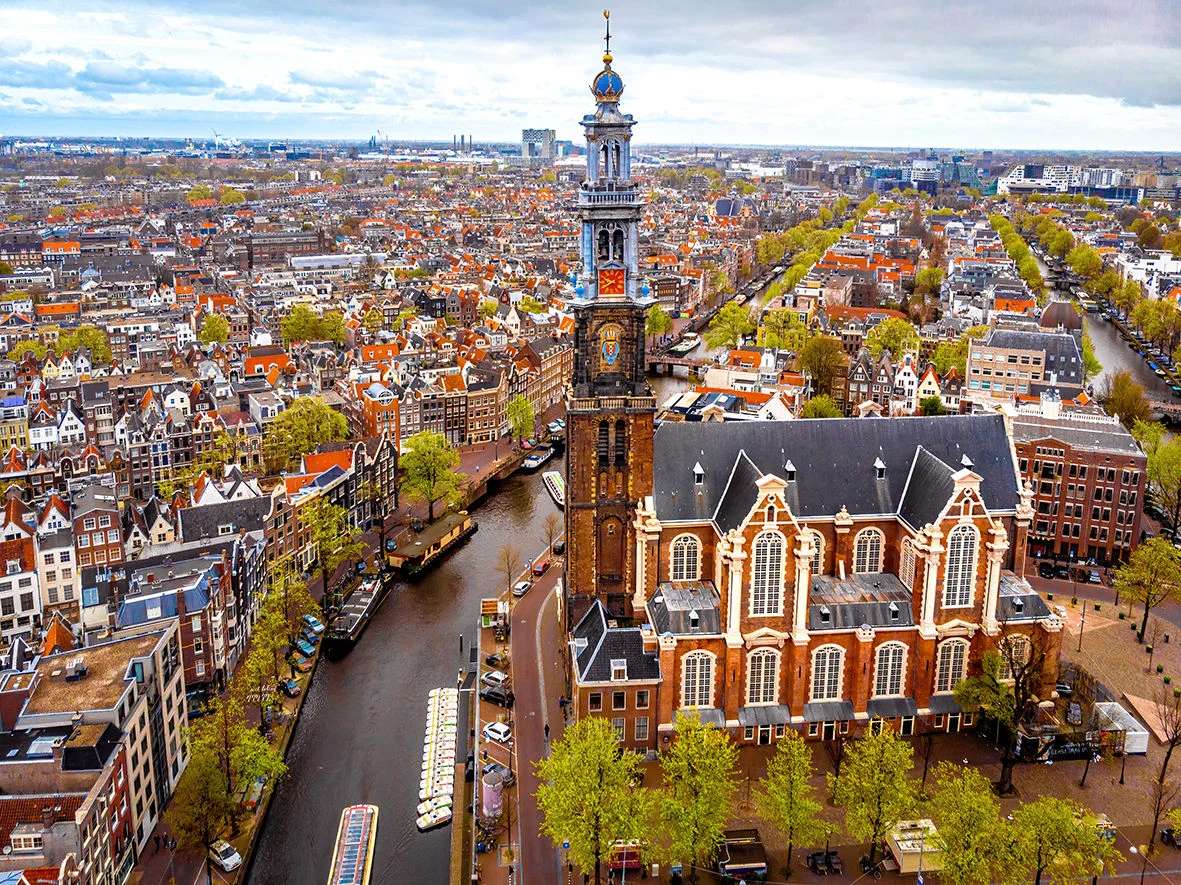
High-capacity district heating – for a fossil-free future
The customer: Vattenfall Amsterdam – one of the largest energy suppliers in the Netherlands.
The challenge: Transfer heat from the main network, based in Diemen, to the newly developed area of Amsterdam Zuidoost (Southeast).
The solution: Expand the district heating network by adding pipelines and building a new high-capacity station that utilizes brazed plate heat exchangers.
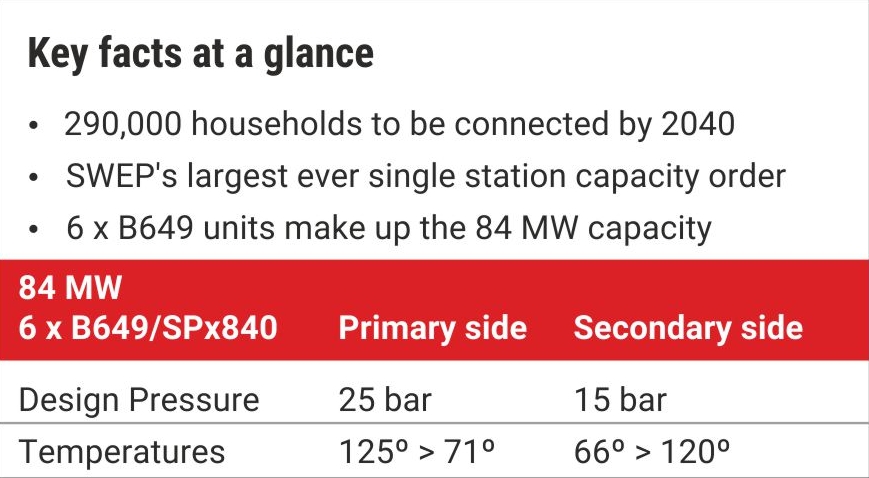
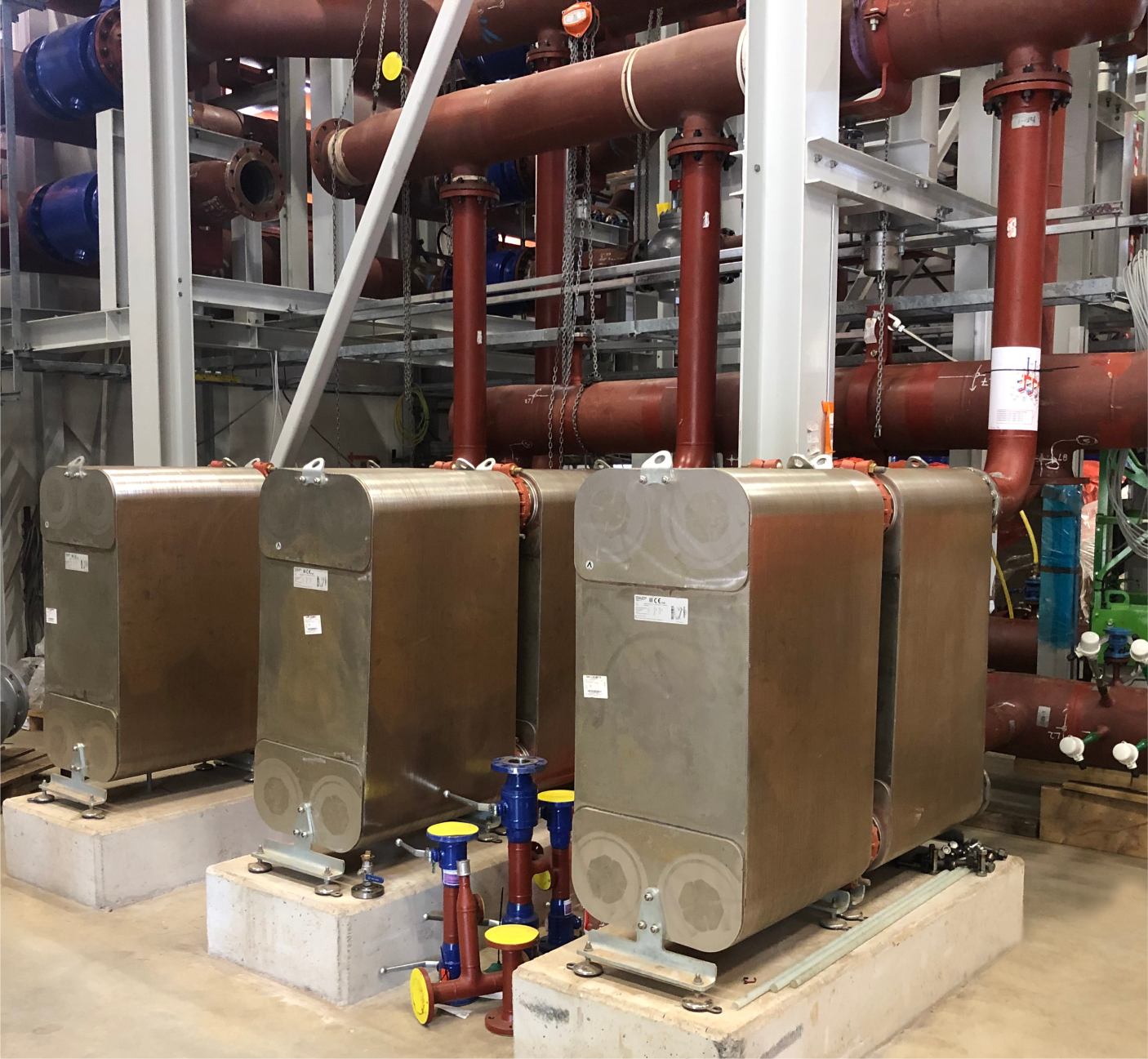
The heat exchangers: Six (6) SWEP B649 brazed plate heat exchangers deliver an unprecedented 84MW of capacity.
The results: The new Hakfort Heat Transfer Station is expected to deliver a 50% reduction in carbon emissions, compared to gas boilers, and is forecast to heat 290,000 households in Amsterdam by 2040.
A joint district heating project for a fossil-free future
In the early 1990s, the city of Amsterdam joined forces with energy supplier, Vattenfall, to decarbonize the city’s district heating network. The Hakfort Heat Transfer Station, a major investment by Vattenfall, is integral to this project. The new station has significantly expanded Amsterdam’s district heating network, making it possible to transfer heat from the main grid, based in Diemen, to the newly developed area of Amsterdam Zuidoost (Southeast). In total, the district heating grid is projected to heat up to 290,000 households by 2040.
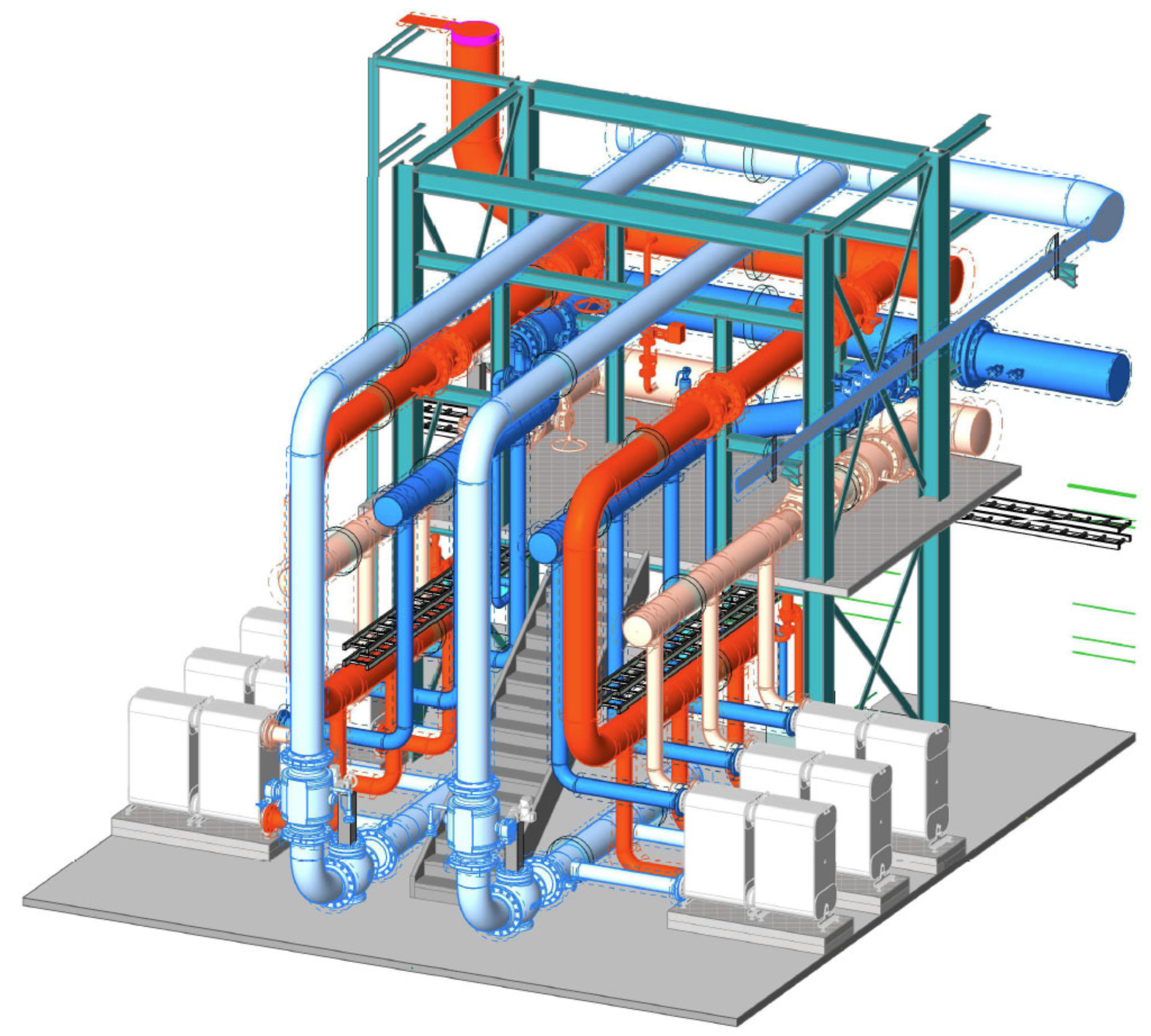
The role of SWEP brazed plate heat exchangers
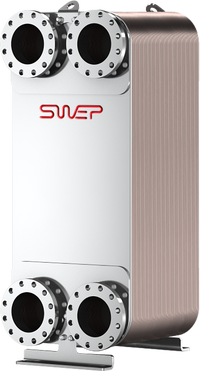
SWEP has played a major role in the development of the Hakfort Station, installing 6 SWEP B649 brazed plate heat exchangers that deliver an unprecedented capacity of 84MW. SWEP BPHEs are gasket-free and compact, and their low-maintenance operation and reliability make them extremely cost effective. They are also easy to install and energy efficient, since 95% of the material in the heat exchanger is used for heat transfer.
Why choose SWEP?
SWEP first became involved in the project at the pre-tender stage in 2018, after Vattenfall appointed Croonwolter&dros as lead contractor for the project. Vattenfall’s project team specified a requirement for brazed plate heat exchangers. According to Croonwolter&dros’s spokesperson: “We were very impressed with the SWEP solution and when we discussed with the team at Vattenfall we agreed the SWEP proposal met all the project requirements. The end technology – 6 x SWEP B649 units that make up the 84 MW capacity – is as cost-effective as we could have hoped for.”
SWEP’s involvement in the project was led by Marvin Gosewisch, Regional Manager for the Netherlands & Belgium. Marvin reflects: “The project has been a great collaborative effort between SWEP and the Croonwolter&dros team. SWEP is proud to have been involved in this groundbreaking initiative that can save 50% of carbon emissions that would be emitted by regular gas boilers.”
More about Vattenfall
Vattenfall is a European energy company with approximately 21,000 employees, that has been producing and delivering electricity to industry and private homes for more than a century. The company is dedicated to building a fossil-free future, of which the new Hakfort Heat Transfer Station is a part. In the words of their Amsterdam project manager: “Vattenfall is already actively developing multiple sustainable sources for its heat network and making them available to the entire city of Amsterdam. Looking to the future, Vattenfall plans to deliver fossil free heating solutions within one generation.”
More related stories
Related case stories
District heating
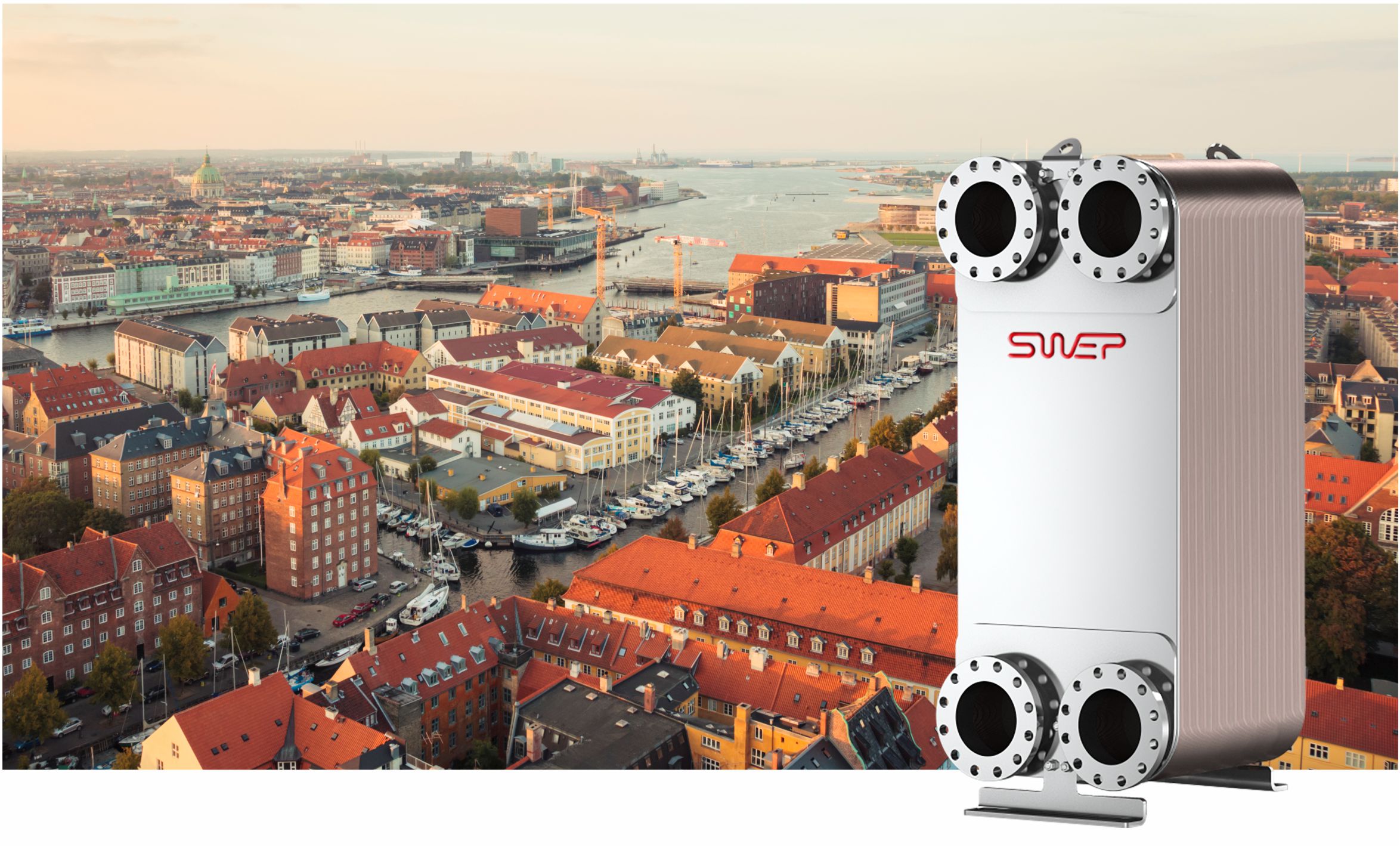
A former agricultural area in Høje-Taastrup on the outskirts of Copenhagen has been transformed into a thermal energy storage facility. The facility or ‘Heat pit storage’ as it is bestknown, supports the district heating system that serves the Copenhagen metropolitan area. Its purpose is to store district heating from four connected Combined Heat and Power (CHP) plants and three waste to energy plants when it is cheap to produce, then to distribute it when it is expensive to produce.
District heating
Tight space requirements paired with a need for a very close cross over temperature between the boiler and water temperatures led to SWEP brazed plate heat exchangers being the ideal heating solution chosen over competing technologies.
Address
SWEP International AB
PO Box 105
261 44 Landskrona
Sweden
Follow Us

Copyright © 2026 SWEP International AB, a Dover company
Follow Us

Copyright © 2026 SWEP International AB,a Dover company