


Innovative Danish district heating project features SWEP technology
The customer: Høje-Taastup Fjernvarme and VEKS, one of Denmark’s largest district heating companies.
The challenge: Store cheaply-produced district heat generated at four connected Combined Heat and Power (CHP) plants and three waste-to-energy plants for distribution when production is expensive.
The solution: Transform a former agricultural area in Høje-Taastrup, on the outskirts of Copenhagen, into a thermal energy storage facility.
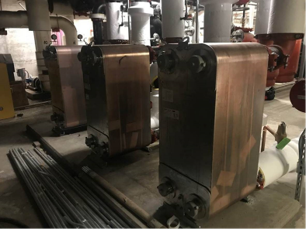
The heat exchangers: Three high-capacity SWEP B649 brazed plate heat exchangers, connected between the power plant and the district heating network in Høje-Taastrup.
The results: Heat for 170,000 households in the Copenhagen metropolitan area, delivered through 26 local district heating networks.
A thermal energy storage facility
A former agricultural area in Høje-Taastrup, on the outskirts of Copenhagen, has been transformed into a thermal energy storage facility to support the metropolitan area’s district heating network. ‘Heat-pit storage,’ as it is known locally, stores heat from four connected Combined Heat and Power (CHP) plants and three waste-to-energy plants. Heat is stored when it is cheap to produce, so that it can be distributed later, when it is expensive. This enables the CHP plants to optimize their production according to fluctuating electricity prices and also makes it possible for waste-to-energy plants to produce more heat during the summer months. Heat-pit storage also reduces peak loads at local boilers, which are typically powered by fossil-fuels.
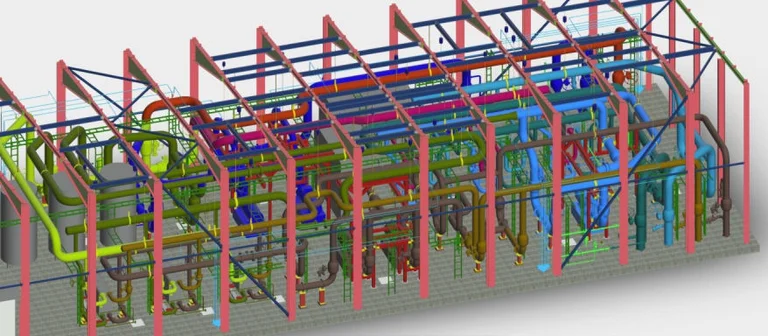
The thermal energy storage facility is a joint venture between the consumer-owned local district heating operator Høje-Taastup Fjernvarme and VEKS, one of Denmark’s largest district heating companies, which oversees renewable energy projects across Europe. The facility is comprised of a deep pit, fitted with a plastic liner that can withstand temperatures of up to 95 degrees Celsius, and an insulating lid. It has a volume of 70,000m³, and a charging and discharging capacity of 30MW.
The role of SWEP brazed plate heat exchangers
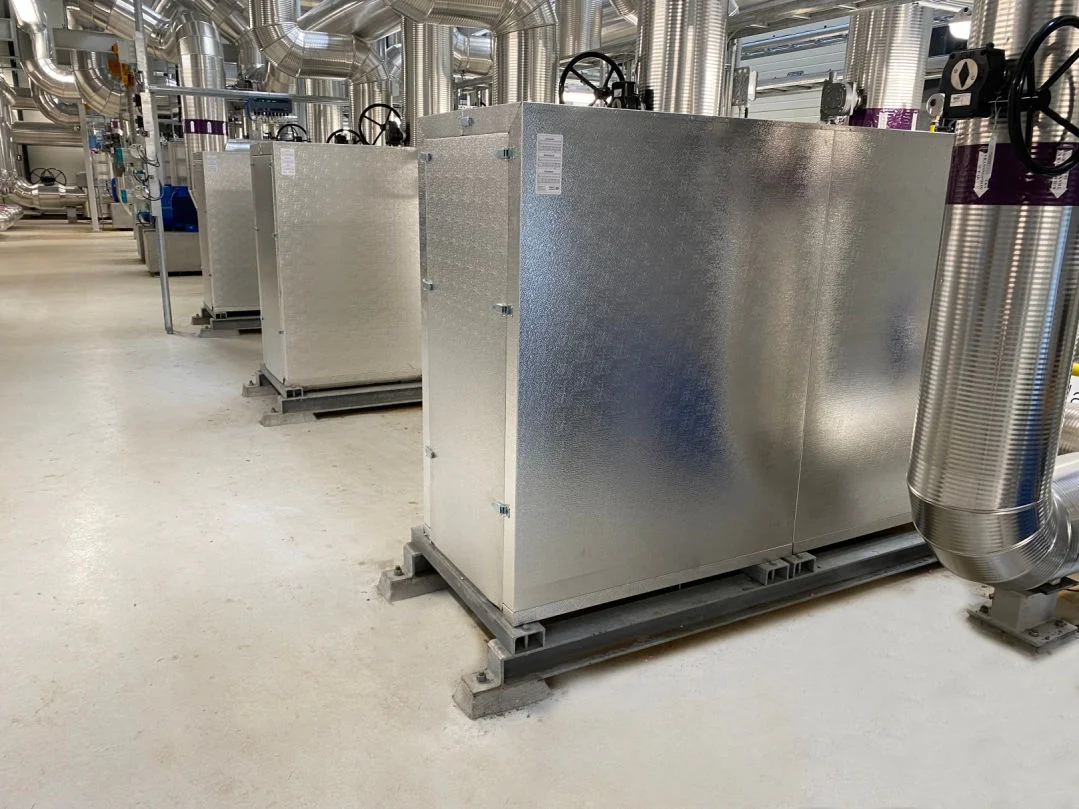
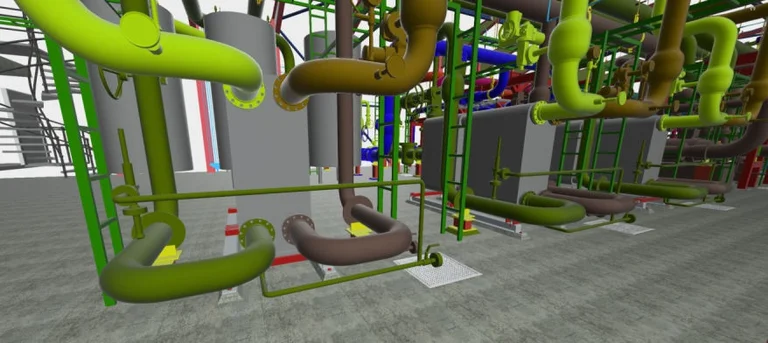
VEKS and Høje Taastrup Fjernvarme commissioned Damgaard A/S to build the facility and chose SWEP to supply brazed plate heat exchanger technology for the project. Three high-capacity SWEP B649 BPHEs are connected between the power plant and the district heating network in Høje-Taastrup. Gasketed plate heat exchangers are used as intermediate units between the thermal storage tanks and the SWEP units.
Why choose SWEP?
According to Lars Andersen, of Damgaard A/S, the builder and project manager for the facility, “SWEP’s B649 brazed plate heat exchangers offer unprecedented opportunities to build larger, elegant, and more cost-effective energy transfer stations with capacities well above what was previously available.” Morten Stobbe, Vice President VEKS, summarizes the initiative: “I hope that there are others who will consider the project as a good example of a broad-based cooperation improving the total energy system and contributing to the fact that we will be able to reach the finishing line in terms of green transmission.”
More about Høje Taastrup Fjernvarme
Høje Taastrup Fjernvarme a.m.b.a is part of Greater Copenhagen’s integrated district heating system. Høje Taastrup District Heating’s supply area includes Høje-Taastrup Municipality and, since 2023, Greve Municipality.
COOL FACTS
The Copenhagen metropolitan district heating system comprises
- Four CHP plants with total output 2050 MW
- Three waste to energy plants with total output 44MW
- Two heat steel tank accumulators providing total 66MW
- Two transmission companies delivering heat to 26 local district heating companies in the Copenhagen metropolitan area
- 170,000 benefiting households
More related stories
Related case stories
District heating
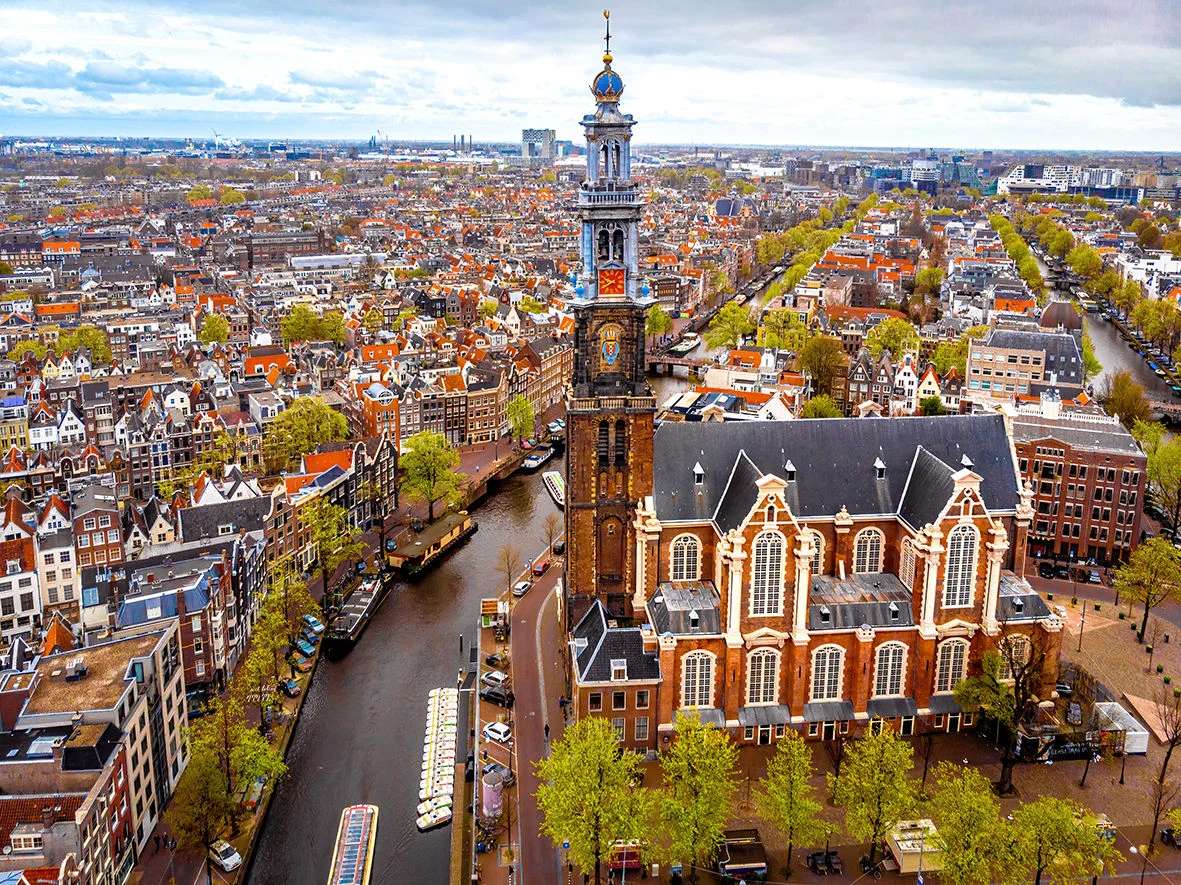
Vattenfall’s Hakfort project showcases the largest capacity heat transfer station utilizing brazed plate heat exchangers. This investment of Vattenfall enables the expansion of the Amsterdam district heating grid. In total, the district heating grid will heat up to 290.000 households in Amsterdam by 2040. An unprecedented capacity of 84MW uses SWEP B649 heat exchangers.
District heating
Tight space requirements paired with a need for a very close cross over temperature between the boiler and water temperatures led to SWEP brazed plate heat exchangers being the ideal heating solution chosen over competing technologies.
Address
SWEP International AB
PO Box 105
261 44 Landskrona
Sweden
Follow Us

Copyright © 2026 SWEP International AB, a Dover company
Follow Us

Copyright © 2026 SWEP International AB,a Dover company