

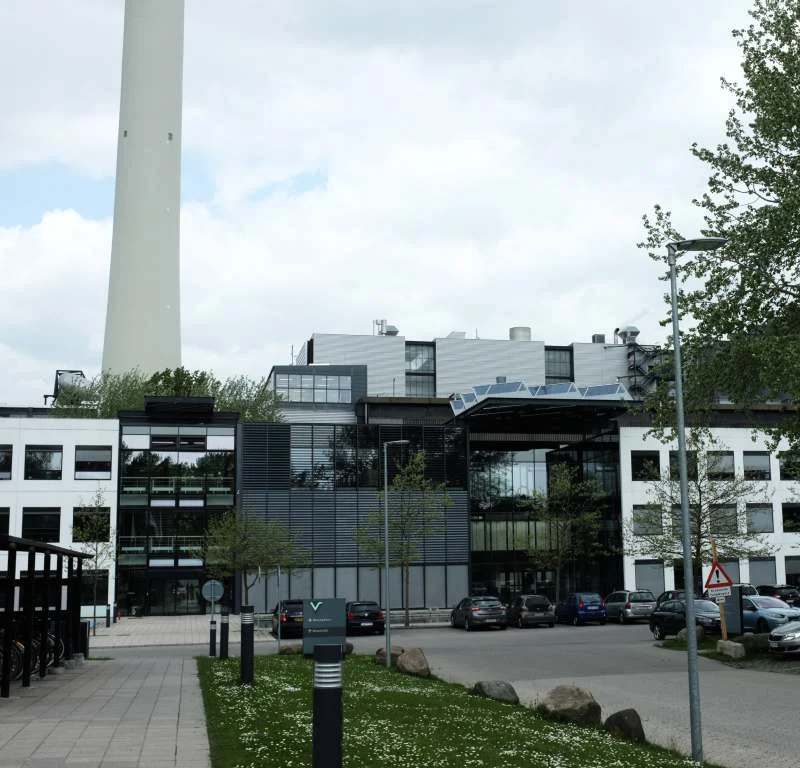
SWEP BPHEs increase capacity of new energy transfer station by 34%
The customer: VEKS, a Danish energy transmission company that supplies heat to 21 local district heating companies in Vestegnen, Copenhagen.
The challenge: Increase capacity, reduce maintenance, and improve reliability at a new energy-transfer station.
The solution: Build a new station with 12 MW of capacity that also has sufficient redundancy to guarantee 2/3 (67%) capacity in the event of critical component failure.
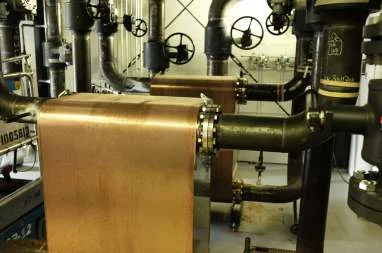
The heat exchangers: Two SWEP B649 brazed plate heat exchangers with 364 channel plates each and a design pressure of 25 bar at 120 °C.
The results: 34% increased capacity compared to existing transfer stations, with fewer heat exchangers required.
The VEKS transmission network is broad; and includes multiple pumping and energy transfer stations that ensure reliable distribution and operation. When VEKS commissioned Damgaard A/S to build a new energy transfer station in Glostrup, Denmark, brazed plate heat exchanger technology was their preferred choice from the start. The company’s prior experiences with BPHEs were positive, and VEKS considers the technology to be both safe to operate and also easy and inexpensive to maintain. In the past, the only drawback to using BPHE technology was its limited capacity of approximately 4-6 MW.
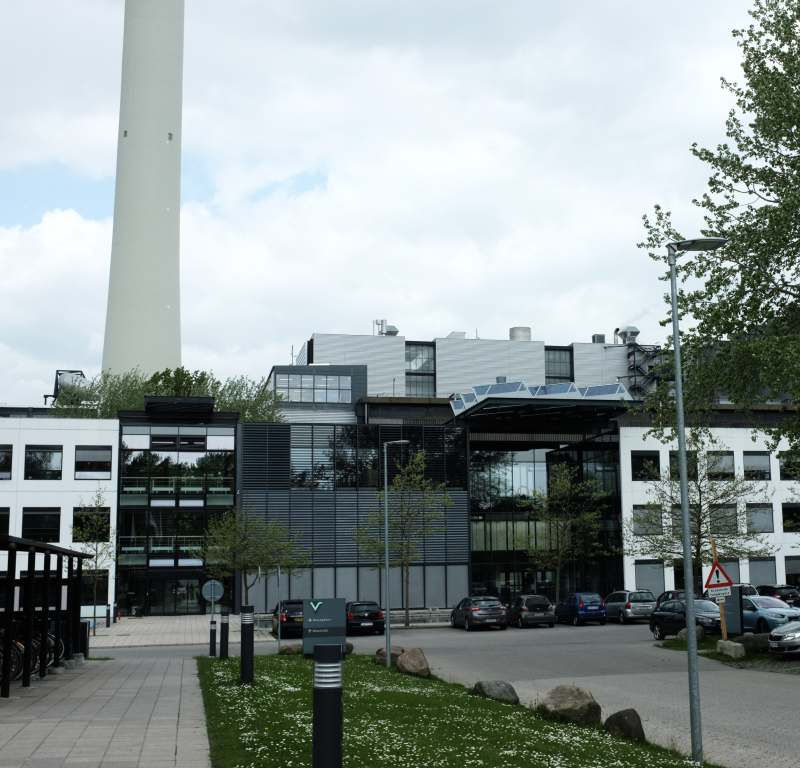
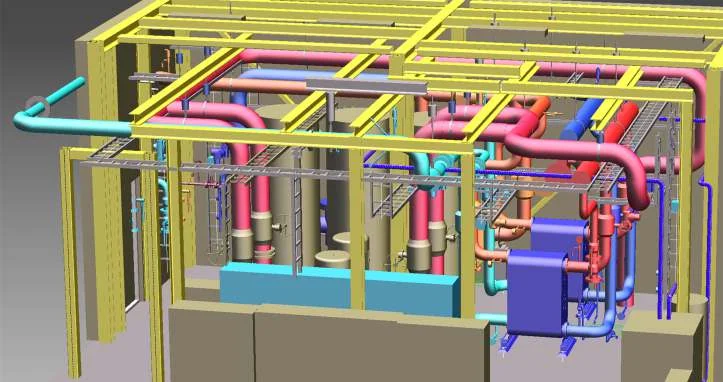
For the Glostrup site, VEKS wanted to install a solution that could deliver 12 MW and also have sufficient redundancy to guarantee 2/3 (67%) capacity in the event of a critical component failure. The company’s initial specification called for a cluster of three heat exchangers, plus pumps and valves, as follows: 2 x 4 MW (67%) + 1 x 4 MW (33%) = 12 MW (100%).
The role of SWEP brazed plate heat exchangers
SWEP offered an alternative solution, featuring its high-capacity flagship model B649 brazed plate heat exchanger, which called for only two heat exchangers, but nevertheless delivered higher installed capacity, as follows: 1 x 8 MW (67%) + 1 x 8 MW (67%) = 16 MW (134%). This solution proved to be significantly more cost-effective. Simplified piping and fewer key components, including heat exchangers, pumps, and valves, delivered better value for money overall.
Why choose SWEP?
SWEP B649 brazed plate heat exchangers deliver more power and increased operational reliability, with lower maintenance demands, making them a truly cost-effective solution. Lars Andersen of Damgaard AS, builder and project manager of the new station, is confident that SWEP’s B649 model offers unprecedented opportunities to build larger, more elegant, and cost-effective energy transfer stations with capacities well above the previous 4-6 MW limit.
More About VEKS
Vestegnens Kraftvarmeselskab I/S, also known as VEKS, was established in 1984 to utilize surplus heat generated by combined heat and power (CHP) plants, as well as from waste incineration plants and major industrial enterprises. Utilizing surplus heat under the VEKS system contributes significantly to reducing fossil-fuel consumption. The VEKS system includes a total of 135 km of twin pipes, with 14 pumping stations and 56 heat exchange stations transmitting heat to local district heating systems. The VEKS transmission system is controlled, adjusted, and monitored from an operation center, located in the company’s headquarters in Albertslund, which is manned 24 hours per day.
More related stories
Related case stories
District heating
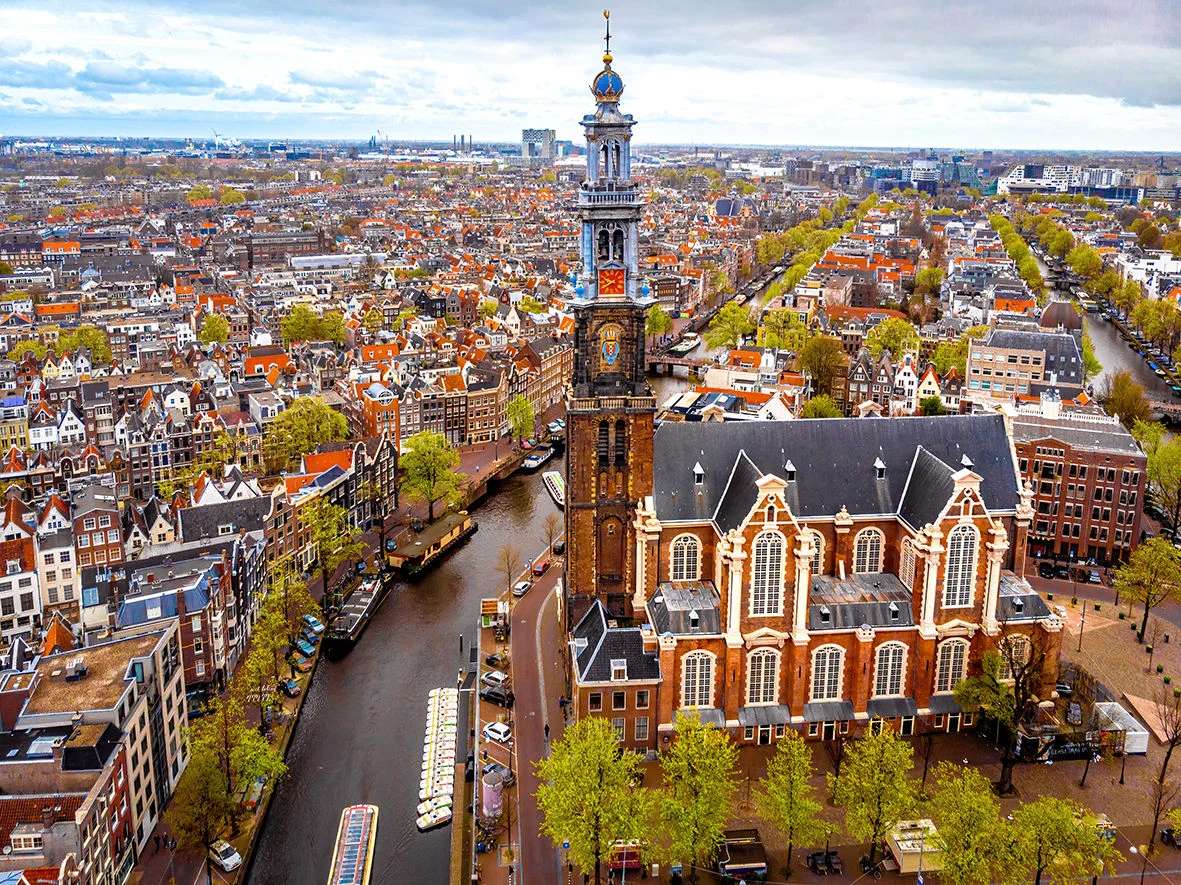
Vattenfall’s Hakfort project showcases the largest capacity heat transfer station utilizing brazed plate heat exchangers. This investment of Vattenfall enables the expansion of the Amsterdam district heating grid. In total, the district heating grid will heat up to 290.000 households in Amsterdam by 2040. An unprecedented capacity of 84MW uses SWEP B649 heat exchangers.
District heating
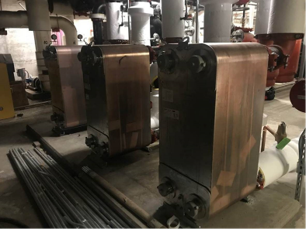
Tight space requirements paired with a need for a very close cross over temperature between the boiler and water temperatures led to SWEP brazed plate heat exchangers being the ideal heating solution chosen over competing technologies.
Address
SWEP International AB
PO Box 105
261 44 Landskrona
Sweden
Follow Us

Copyright © 2026 SWEP International AB, a Dover company
Follow Us

Copyright © 2026 SWEP International AB,a Dover company