

Upgrading biogas to fuel turbine generators
The customer: Luming Inteligência Energética, a Brazilian company focused on turning waste into clean energy.
The challenge: Create a robust, non-reactive solution for upgrading biogas, which contains highly corrosive hydrogen sulfide, so that it can be used to generate electricity.
The solution: A highly efficient modular system, built with copper-free SWEP All-StainlessTM technology, to cool, purify, and heat biogas, increasing the percentage of methane it contains and boosting its combustion power.
The heat exchangers: A SWEP B10TSHx20 and a SWEP B10TSHx30 heat exchanger from the highly robust, non-reactive SWEP All-StainlessTM range.
The results: An innovative system with a reduced carbon footprint, improved efficiency, increased energy recovery and co-generation, and a better environmental profile.
Luming Inteligência Energética, a Brazilian energy company, was asked by AMBEV (one of the world’s largest beverage companies) to develop a system for upgrading poor-quality biogas so that it can be used to power a turbine. The biogas is a byproduct of other production processes at the AMBEV plant, and is composed of several substances, including H2S, water, methane (CH4), oxygen, CO2, and CO.
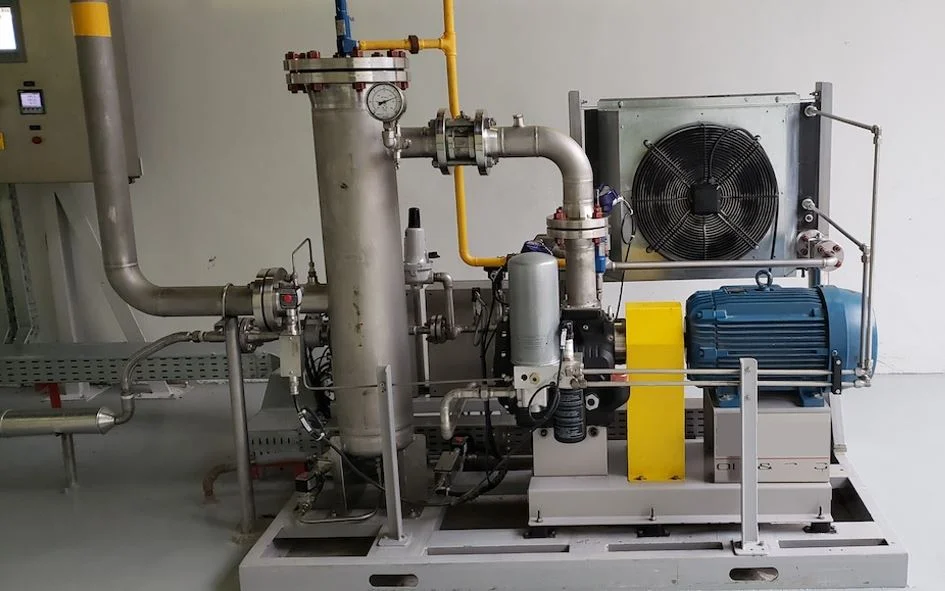
The new system is designed to improve the combustion power of the biogas by increasing the percentage of methane it contains. This process involves cooling the gas to remove moisture and then reheating it. The resulting purified biogas is used to fuel a turbine that generates electricity. To solve the challenges of this application, SWEP and Luming collaborated to build a modular system featuring compact SWEP All-StainlessTM BPHEs.
Biogas system where the SWEP B10T All-Stainless brazed plate heat exchangers are installed
Compact SWEP BPHEs offer a high level of heat transfer relative to their size. Compared to shell-and-tube heat exchangers, which were traditionally used in these applications, a SWEP BPHE can deliver the same level of heat transfer in 1/10 of the space. And because they are copper-free, they can be used with highly corrosive substances, including the hydrogen sulfide gas that is a contaminant in this process. SWEP All-Stainless offered a compact solution that was the perfect solution for this customer.
The role of SWEP brazed plate heat exchangers
The presence of toxic, flammable, highly corrosive hydrogen sulfide gas (H2S ) in the unrefined biogas mixture made the SWEP All-StainlessTM range of brazed plate heat exchangers the perfect choice for the job. SWEP All-Stainless products were developed for use in demanding systems with high operating temperatures or pressures, as well as for sensitive applications where copper and nickel contamination must be avoided, including food, beverage and pharmaceutical. In addition to being extremely compact, with minimal material usage relative to their mechanical strength, SWEP All-Stainless units are non- reactive, and therefore compatible with ammonia and other fluids that are corrosive to copper.
Why choose SWEP?
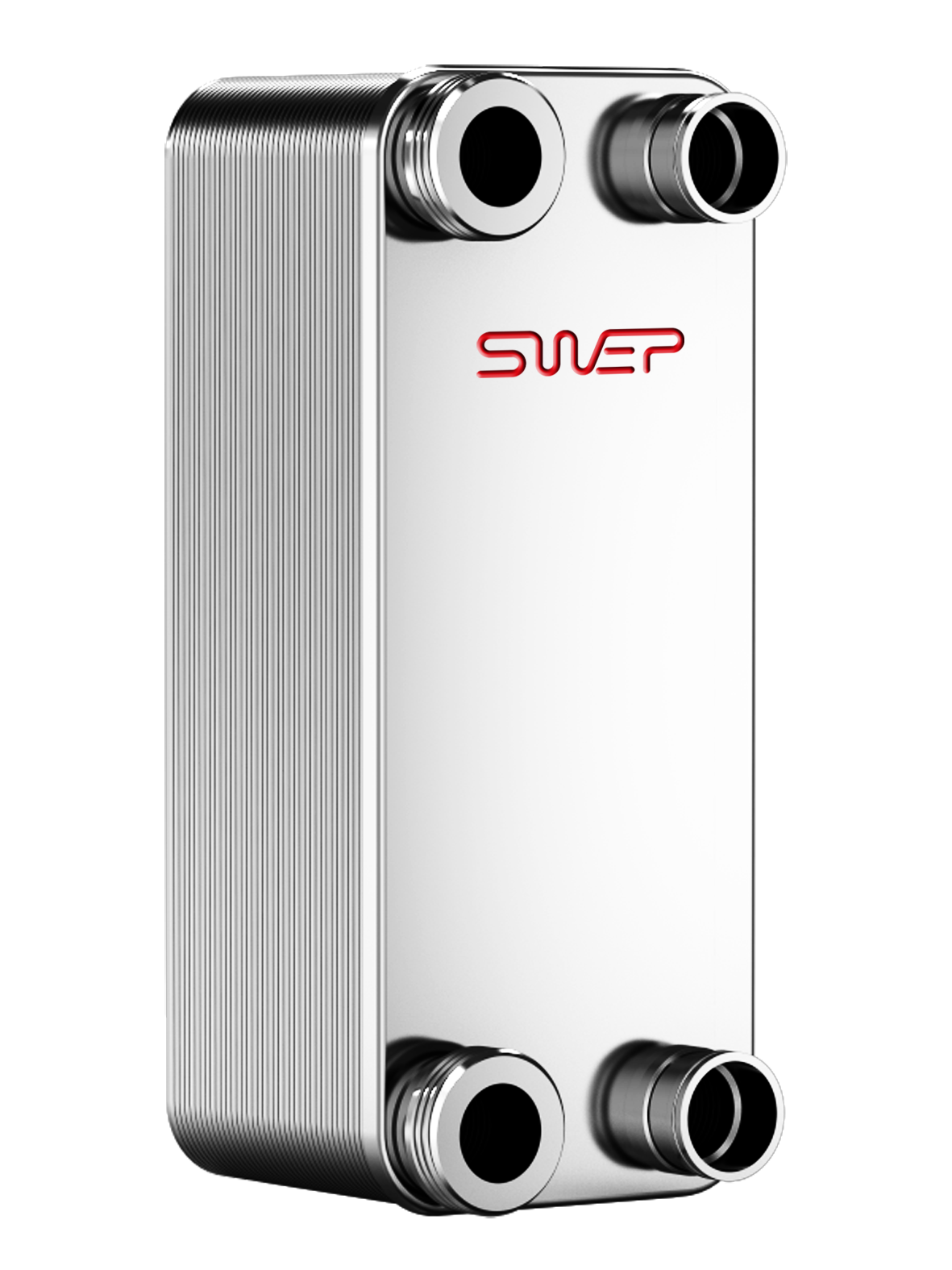
For this project, SWEP offered significant in-house engineering support to develop the system and define the fluid parameters. The design engineers used SWEP Selection Software (now SWEP DThermX calculation software) to assist in selecting components and building the best possible solution for the job. Ultimately, the SWEP B10TSHx20 and SWEP B10TSHx30 models, from the SWEP All-Stainless range, were selected.
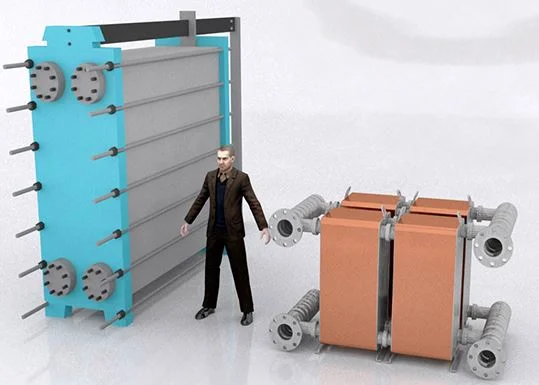
The footprint of a brazed plate heat exchanger can be as little as one tenth that of a shell & tube heat exchanger, or half that of a gasketed plate heat exchanger. Compared to the S&T (shell & tube) technology that was also being considered for the job, SWEP BPHEs delivered a significant advantage in terms of ‘size vs performance.’
More About Luming Inteligência Energética
Luming Inteligência Energética is a Brazilian energy company that is focused on transforming waste into value. Their expertise lies in converting waste into energy through biogas and biomethane. With their headquarters in Sao Paolo, they are a trusted partner throughout South America. The innovative system designed for this project is one of the first ever implemented in an AMBEV plant globally. The company plans to replicate this biogas system, featuring brazed plate heat exchangers, at additional plants in the future.
More related stories
Related case stories
Gas system
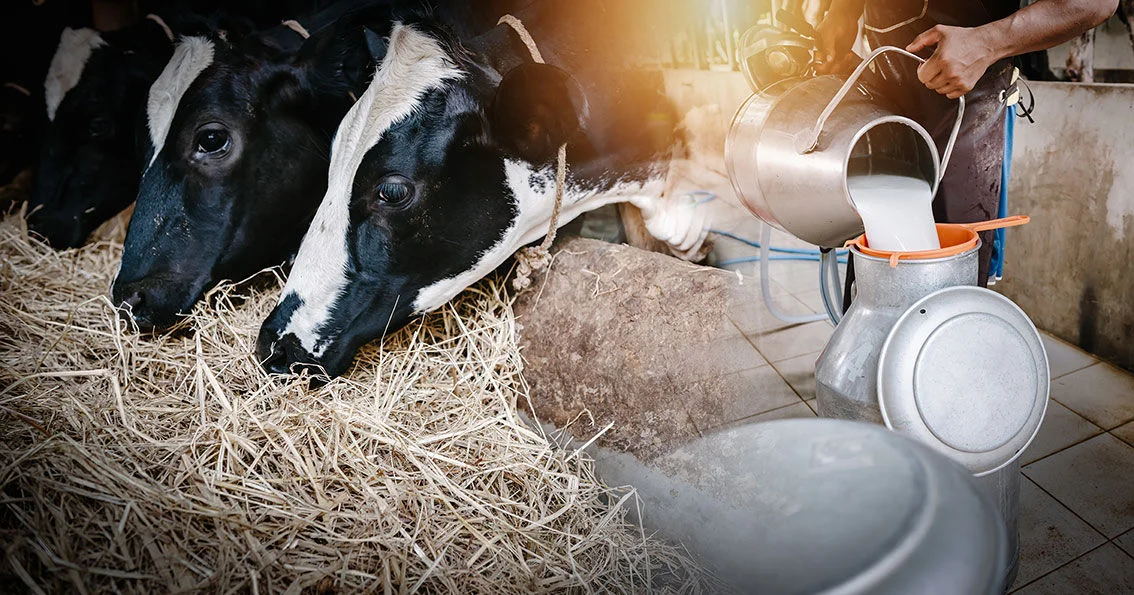
Milk production is one of the main economic activities in Brazil and the country is currently the sixth largest producer in the world. This sector is responsible for the production of up to 25 billion liters of milk a year and the product is a large part of the nutritional diet of most Brazilian families. When a more efficient cooling solution was needed during the milk production process, SWEP brazed plate heat exchangers helped make it happen.
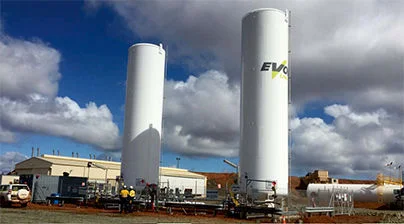
Gas system
Luming Inteligência Energética had an application where the main objective of the system was to generate electricity reusing the energy contained in the biogas. They needed a compact, non-corrosive solution and SWEP brazed plate heat exchangers were able to deliver.
Address
SWEP International AB
PO Box 105
261 44 Landskrona
Sweden
Follow Us

Copyright © 2026 SWEP International AB, a Dover company
Follow Us

Copyright © 2026 SWEP International AB,a Dover company